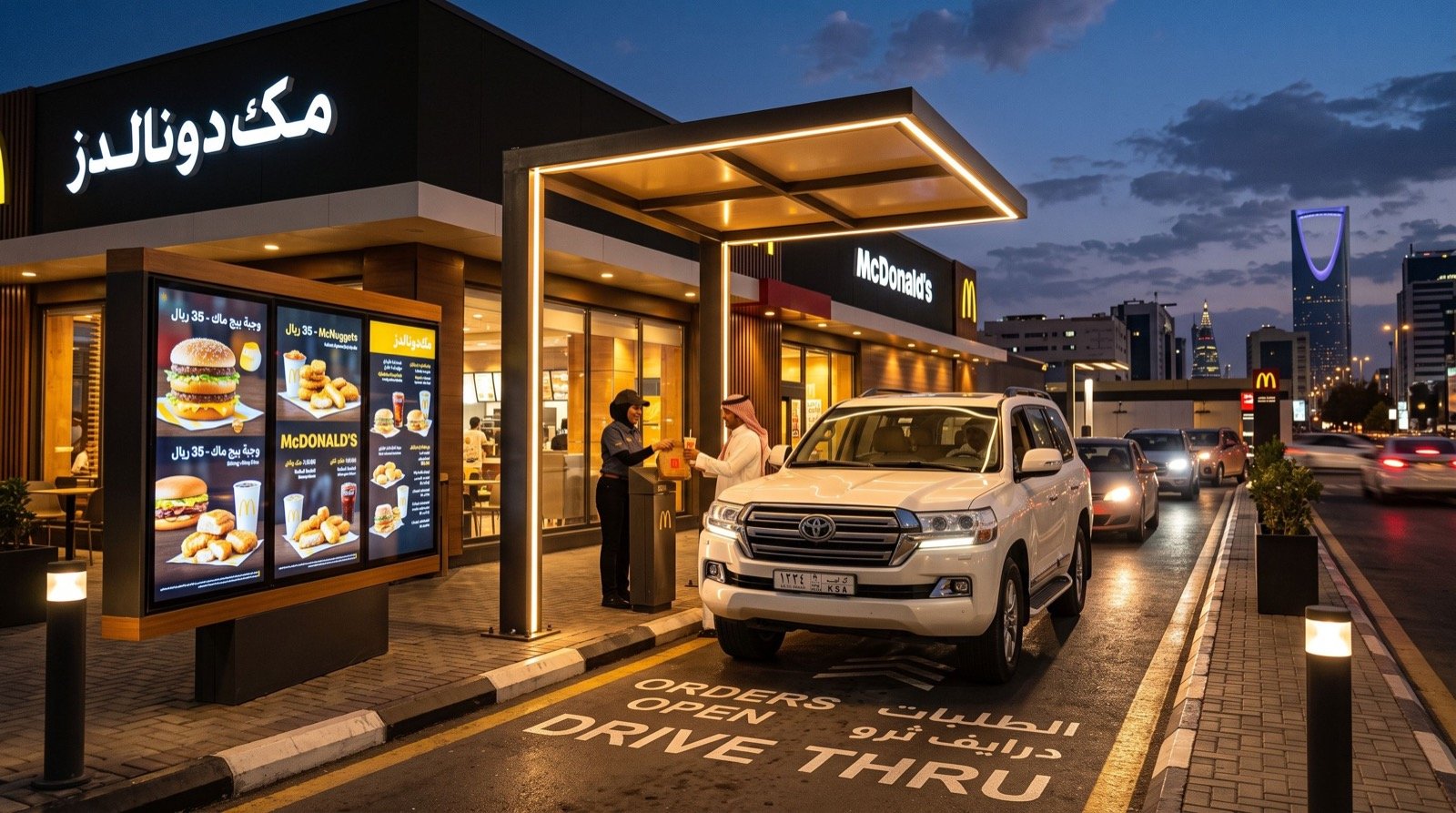
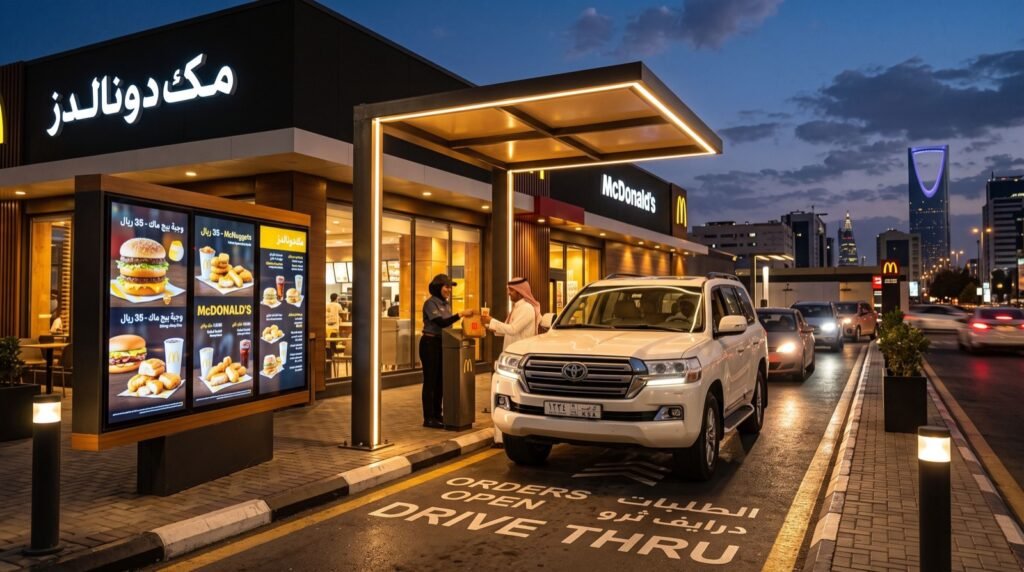
Pakistan’s quick-service brands are scaling fast, and the lane outside the window has become the real battleground for profit. In 2026, operators in Lahore, Karachi, and Islamabad know that a smart Drive Thru System in Pakistan decides how many cars they serve at peak and how many drive off in frustration. Speed at the window is no longer a nice-to-have; it is the margin.
This guide explains how drive-thru automation and biometric hardware together tighten operations for restaurants, banks, and offices. We will cover the technology, the numbers that matter, and a rollout plan that fits Pakistani business realities, then answer the practical questions owners ask before buying.
Why a Drive Thru System in Pakistan boosts throughput
Every second a car idles at the window multiplies across a busy shift. A Drive Thru System in Pakistan turns that hidden delay into visible, managed data, so a QSR knows exactly where the lane stalls. Sensors detect each vehicle, timers track every stage, and the dashboard flags trouble in real time.
The result is measurable. When a Karachi outlet learns that its payment window runs eight seconds long during dinner, it adds a second cashier before cars back up onto the road. Managers stop reacting to complaints and start preventing them.
Adoption is accelerating nationwide because the payback arrives quickly. Operators who install a Drive Thru System in pakistan commonly report faster lane cycles, higher car counts at peak, and fewer walk-offs within weeks. The same data also settles staffing debates that used to run on gut feeling.
Global QSR research confirms the stakes. Industry analysts at QSR Magazine consistently report that shaving seconds off drive-thru service time lifts both car counts and average ticket value, a pattern Pakistani brands now chase aggressively.
What a modern drive-thru platform delivers
- Vehicle-detection sensors that start a timer the instant a car arrives.
- Stage-by-stage timing from order board to payment to handoff.
- Live alerts when any lane point exceeds its target time.
- Digital menu boards that update prices and offers instantly.
- Shift reports that compare morning, lunch, and dinner performance.
Where biometric finger-scanner devices fit in
Speed at the lane means little if the back office leaks time and money. Biometric hardware locks down attendance, access, and shift accuracy, which is why owners pair lane systems with reliable fingerprint readers. Before buying, most compare Finger scanner devices prices in pakistan to match the right sensor to their staff count and security needs.
A quality finger scanner ends buddy-punching, confirms who opened the safe, and ties payroll to real clock-ins. For a multi-branch chain, that accuracy alone recovers meaningful cost every month. The same devices also gate restricted rooms, from cash offices to server closets.
Banks and offices adopt the same tools for compliance and audit trails. Whichever the sector, biometric verification replaces trust-based logs with hard, timestamped proof.
How do finger-scanner devices cut payroll leakage?
They cut leakage by tying every clock-in to a unique fingerprint that cannot be shared. Buddy-punching disappears because no colleague can sign in for an absent worker, and the system timestamps each entry for audit. Over a month, that accuracy trims inflated hours and aligns payroll with the shifts actually worked, which is money straight back to the owner.
Comparing drive-thru automation and biometric control
The two technologies protect different parts of the operation, front lane and back office. The table below shows how they complement each other.
| Factor | Drive-Thru System | Finger-Scanner Device |
|---|---|---|
| Main goal | Faster lane throughput | Accurate access and attendance |
| Where it lives | Order board, window, lane | Entrances, time clock, safe room |
| Key metric | Cars served per hour | Verified clock-ins vs. leakage |
| Primary users | QSR, drive-up banking | Restaurants, banks, offices |
| 2026 payoff | 15–25% faster cycles | Lower payroll waste, tighter security |
A rollout plan for Pakistani operators
Success comes from sequencing the deployment, not rushing it. Here is the order most owners follow to go live without hurting daily sales.
- Measure the baseline: log lane times and payroll hours for two weeks.
- Set targets: define the car-per-hour and clock-in accuracy you want.
- Pilot one branch: install lane sensors and a finger scanner, then train staff.
- Connect the data: link both systems to your POS and payroll software.
- Scale outward: replicate the tuned setup across every outlet.
- Review monthly: use reports to adjust staffing and shift rules.
Partner choice shapes the outcome as much as the hardware. Work with quality service providers who offer local warranty, spare parts, and on-site training, so a sensor fault never freezes your lane for days.
An insight worth stealing
Do not measure the drive-thru only by total time. Break it into stages and fix the slowest one first, because a single lagging step usually drags the whole cycle. Owners who obsess over the average often miss that one stubborn payment window is the real culprit, and stage-level data exposes it in a day.
Frequently Asked Questions
How much does a Drive Thru System in Pakistan cost?
Cost scales with the number of lanes, sensors, and menu boards. A single-lane setup with timing sensors and one digital board sits at the affordable end, while multi-lane, multi-branch rollouts rise with hardware and integration. Most operators recover the investment quickly through higher car counts at peak.
Are finger-scanner devices reliable in busy environments?
Yes. Modern optical and capacitive sensors read prints fast even with high staff turnover at shift change. Quality devices tolerate dust and heavy use, which suits busy kitchens, bank branches, and factory floors across Pakistan.
Can both systems share data with my POS?
They can. In 2026, drive-thru timers and biometric clock-ins commonly feed the same reporting layer as your POS and payroll, giving owners one clear view of speed, staffing, and cost. That unified reporting is what head office relies on to compare branches.
How long does installation take?
A single-branch pilot typically goes live within a few weeks once hardware arrives and training is scheduled. Chain-wide rollouts run branch by branch, so no outlet loses a full trading day during setup.
Conclusion
Profit in Pakistani QSR now hides in seconds at the window and minutes on the timesheet. A well-tuned Drive Thru System in Pakistan, backed by accurate biometric finger scanners, turns both into managed, improvable data that protects margin at every outlet. Start with one branch, prove the gains, then scale across the network in 2026. Contact a specialist team today to book a lane-and-attendance audit.