
How to Choose the Best CRM in Saudi Arabia for 2026
Finding the best CRM in Saudi Arabia is not about the longest feature list. It is about one system that connects your customers, quotations and VAT invoices so nothing falls through the cracks. This 2026 guide gives SME owners, sales leaders and operations managers a clear set of criteria and a scoring approach you can use this week.
We focus on the Saudi context, where ZATCA e-invoicing, Arabic and English support, and local VAT rules shape what good software looks like. Use the checklist below to compare options with confidence.
Many teams buy a CRM for the sales pipeline alone, then discover that quotations, invoices and support still live in separate tools. The result is duplicate data entry and a customer history scattered across apps. The better question is not which CRM has the most features, but which platform removes the most handoffs between teams. That is the lens we use throughout this guide.
What makes the best CRM in Saudi Arabia different
A customer relationship management system tracks leads, contacts, deals and conversations. In the Kingdom, the strongest choice does more. It links the sales pipeline to quotations and to compliant VAT invoicing, so a closed deal becomes an invoice without rekeying.
That matters because Saudi Arabia runs ZATCA e-invoicing. Phase 1 began on 4 December 2021, and Phase 2 integration with the Fatoora platform has rolled out in waves since 1 January 2023, by revenue threshold. VAT is 15%. A CRM that ignores invoicing leaves your team copying numbers between tools.
Which features should you prioritise?
Start with the work your team repeats every day. The features that save the most time are usually contact management, quotation building, invoicing and after-sales support, all sharing one customer record.
Core criteria to score
- Unified customer record: one profile across sales, invoices and support.
- Quote to invoice flow: quotations convert into VAT invoices automatically.
- ZATCA readiness: compliant e-invoicing and Fatoora integration.
- Arabic and English: full bilingual interface and documents.
- Support and complaints: tickets and issue tracking built in.
- Reporting: clear views of pipeline, receivables and open cases.
A simple scoring table
Rate each option from 1 to 5 on the criteria that matter most to you. The table below shows how to weight them for a typical Saudi SME.
| Criterion | Why it matters | Suggested weight |
|---|---|---|
| Unified customer record | Removes double entry | High |
| Quote to invoice flow | Speeds up cash collection | High |
| ZATCA e-invoicing | Legal requirement | High |
| Bilingual interface | Fits Saudi teams and customers | Medium |
| Support and complaints | Protects retention | Medium |
| Reporting | Guides decisions | Medium |
Why connecting CRM, quotations and invoices wins
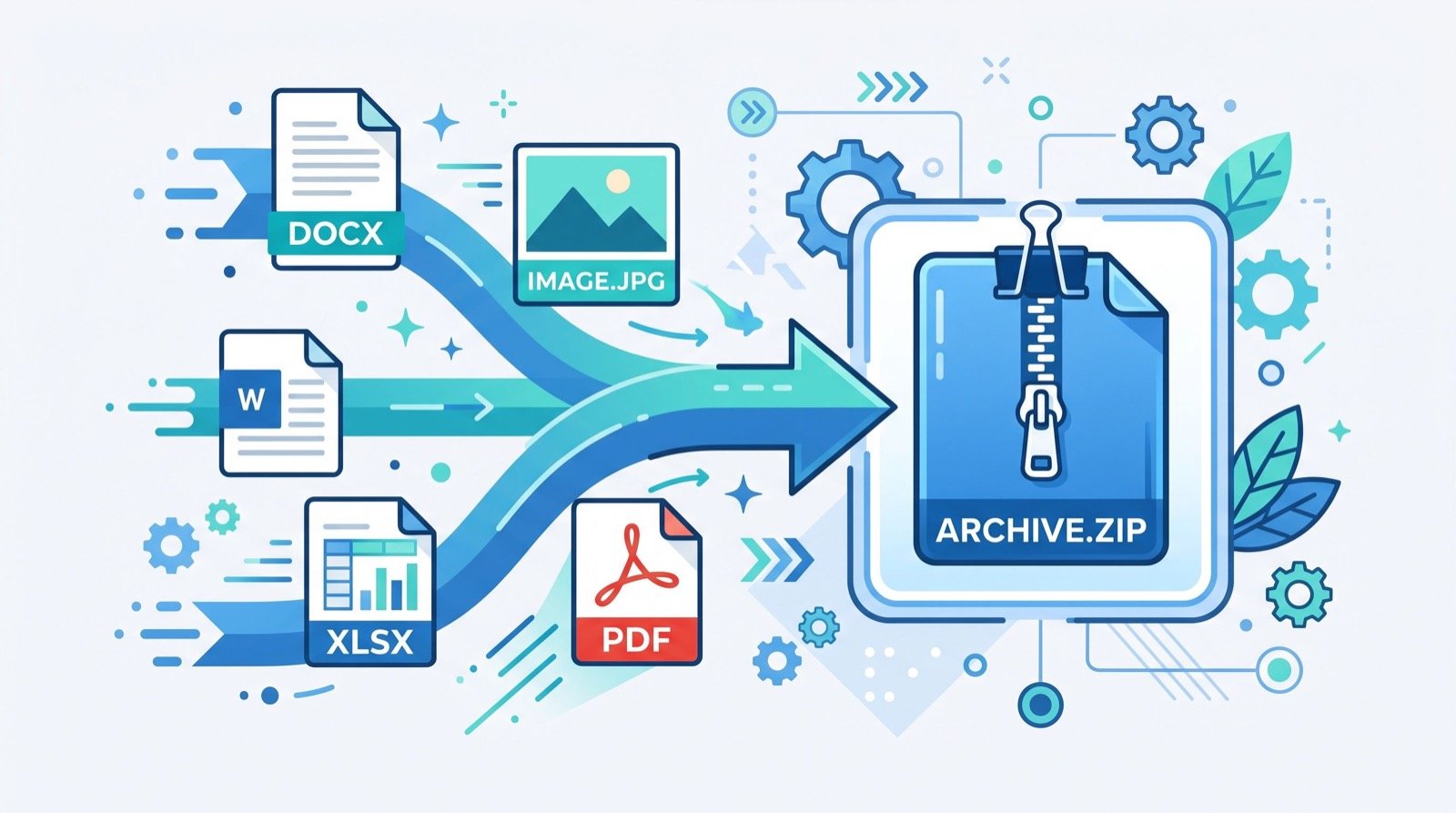
Picture a normal sales cycle. A lead asks for a price, your rep sends a quotation, the customer agrees, and finance issues a VAT invoice. If those three steps live in three tools, someone retypes the same figures twice and mistakes creep in.
Daftarix is a cloud business platform that helps Saudi companies manage customers, quotations, VAT invoices, support tickets and maintenance requests in one place. A quotation becomes an invoice with a click, and the same customer record carries the full history.
Because invoicing is part of the platform, you also get VAT invoicing software KSA teams can rely on for compliant tax documents. That keeps your sales and finance data in one trusted source instead of scattered spreadsheets.
Common pitfalls when choosing a CRM
The first pitfall is buying for features you will never use. A long checklist looks impressive in a demo, but adoption depends on how well the system fits your daily work. Score tools against your real tasks, not a vendor’s brochure.
The second pitfall is ignoring the finance side. A CRM that cannot produce compliant VAT invoices forces your team back into spreadsheets, which recreates the double entry you were trying to escape. In Saudi Arabia, invoicing and sales belong together.
The third pitfall is underestimating support and complaints. Keeping customers is cheaper than winning new ones, so a system that logs tickets, tracks issues and keeps a full customer history protects your revenue over time. Treat after-sales as a core requirement, not an afterthought.
What does a connected sales cycle look like?
Consider a simple example. A contractor in Riyadh asks for a price on a maintenance package. Your rep builds a quotation inside the CRM, the contractor approves it, and the system turns that quotation into a compliant VAT invoice without anyone retyping the figures. Later, when the contractor opens a support ticket, the agent sees the full history in one screen.
That is the payoff of a connected platform: fewer errors, faster billing and happier customers. Every step reuses the same customer record, so nothing is lost between sales, finance and support.
How to run your evaluation
- List the daily tasks your team repeats and the tools they use now.
- Score each option against the criteria table above.
- Ask for a live walkthrough using your own sales scenario.
- Check Arabic and English documents, including invoices.
- Confirm ZATCA e-invoicing and Fatoora integration are supported.
- Involve a finance user and a sales user in the final decision.
If you are growing quickly and want help mapping tools to your process, bringing in trusted professionals can keep the rollout smooth.
Frequently Asked Questions
What should the best CRM in Saudi Arabia include?
Look for a unified customer record, a quote to invoice flow, ZATCA compliant e-invoicing, a bilingual Arabic and English interface, and built-in support and complaint handling.
Does a CRM need to handle ZATCA e-invoicing?
For Saudi businesses, yes. Linking the CRM to compliant invoicing avoids rekeying and keeps VAT data accurate. ZATCA’s rules are published on the official e-invoicing portal.
Why connect quotations to invoices?
It removes double entry, speeds up billing and reduces errors, because the agreed quotation becomes the invoice with the same figures.
Is a bilingual interface important?
Yes. Saudi teams and customers work in Arabic and English, so documents and the interface should support both without workarounds.
Conclusion
The best CRM in Saudi Arabia for 2026 is the one that joins your customers, quotations and VAT invoices into a single flow, supports Arabic and English, and keeps you aligned with ZATCA e-invoicing. Score your options against the criteria above, test them with a real scenario, and choose the platform your whole team will actually use. To see how Daftarix brings CRM and compliant invoicing together, book a demo or get a quote today.